

2025 Health Food Trends: What’s Shaping the Future of Wellness
Discover the top 2025 health food trends driving innovation and sustainability.
As we step into 2025, health food trends are evolving to focus on innovation, sustainability, and personalisation. With shifts in consumer priorities, these trends aim to support both personal wellness and the environment. Let’s explore the top 2025 health food trends making waves this year.
Plant-Based Eating Diversifies
Plant-based eating is becoming more innovative than ever. Expect to see unique protein alternatives like mushrooms, algae, and fermented foods. These options not only add variety but are also nutrient-dense, appealing to those seeking balanced plant-based meals.
How it’s Transforming Diets:
- Fermented ingredients contribute probiotics to support gut health.
- Mushroom-based proteins are rich in nutrients and have a savoury profile.

Personalised Nutrition Goes High-Tech
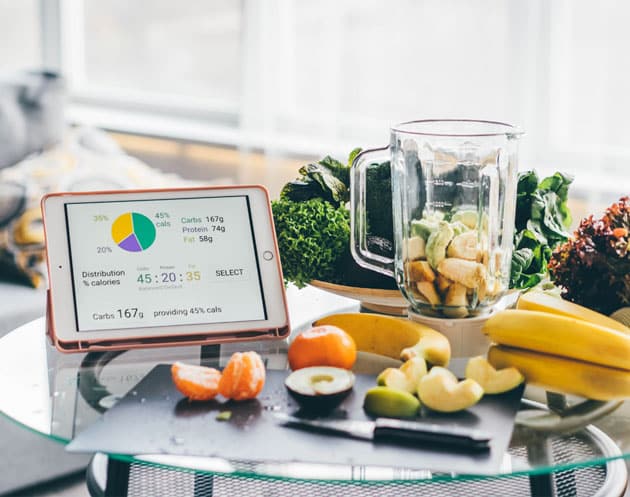
Advances in AI are taking personalised nutrition to the next level. By using individual health data, companies can offer meal plans, supplements, and product recommendations tailored to your unique needs.
What to Expect:
- AI tools to track macronutrient needs and dietary preferences.
- Customised supplements to support specific wellness goals.
Gut Health Remains a Priority
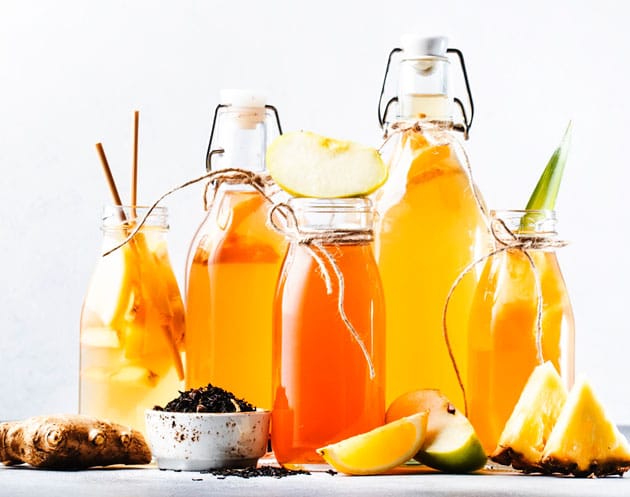
With growing awareness of the gut microbiome, foods that promote digestive wellness are in high demand. Fermented beverages, fibre-rich snacks, and prebiotic options are leading this trend.
Examples of Products on the Rise:
- Kombucha and kefir beverages.
- Prebiotic snacks and supplements designed to nurture a healthy gut.
Sustainable Food Choices Take Center Stage
Sustainability is shaping the future of food production. Consumers are prioritising items grown using regenerative farming methods, which help restore soil health and reduce environmental impact.
How Brands are Adapting:
- Sourcing ingredients locally to reduce carbon footprints.
- Transparent labelling to highlight ethical and sustainable practices.

Low-Alcohol and Alcohol-Free Beverages
The demand for alcohol-free options is booming, catering to individuals seeking balance and moderation. These beverages combine sophistication with lower calorie counts.
Trending Choices:
- Non-alcoholic spirits and sparkling wines.
- Beverages infused with botanicals for a refined experience.

Functional Foods for Mental Wellness
Functional foods are expanding to include ingredients that support mood, focus, and stress management. Expect to see snacks and beverages enhanced with adaptogens and nootropics.
Key Ingredients to Watch:
- Ashwagandha and ginseng for stress relief.
- L-theanine and caffeine blends for improved focus.

Tech-Enabled Food Tracking
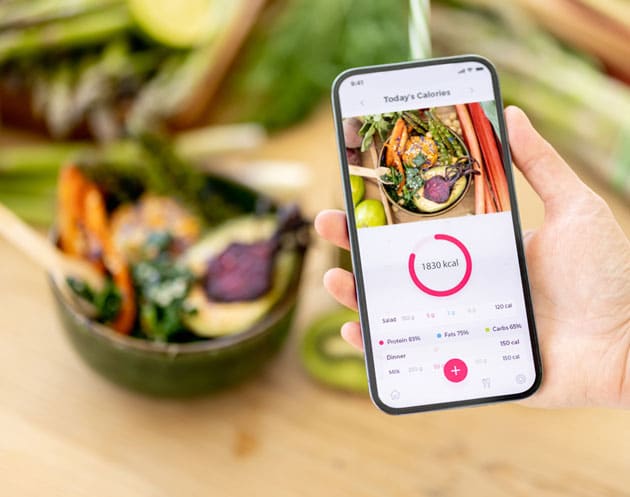
Wearable devices and apps are transforming the way we monitor nutrition. These tools provide real-time insights into calorie intake, nutrient deficiencies, and food sensitivities.
Benefits:
- Greater awareness of dietary habits.
- Empowered decision-making through precise tracking.
Alternative Sweeteners Gain Popularity
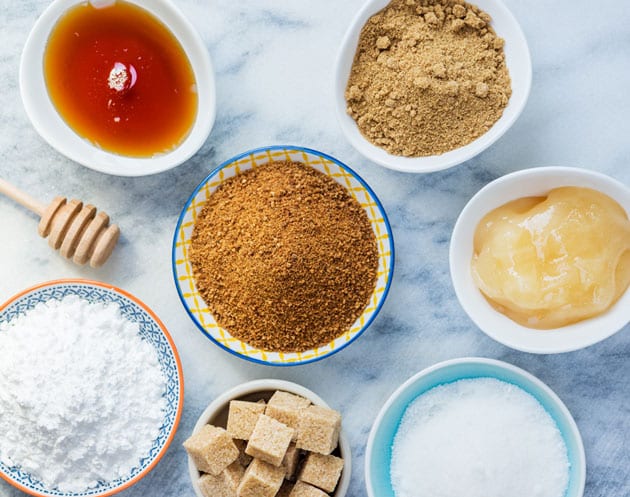
Health-conscious consumers are seeking natural sweeteners as alternatives to refined sugar. Monk fruit, stevia, and date syrup are expected to dominate shelves in 2025.
Why It Matters:
- Lower glycemic impact compared to traditional sugar.
- Options for baking, beverages, and everyday recipes.
Seasonal and Local Eating Trends
Eating seasonally and sourcing locally grown ingredients will gain momentum. This approach promotes fresher meals while supporting local economies and sustainability.
Consumer Benefits:
- Higher nutritional value from seasonal produce.
- Reduced environmental impact from transportation.
Cell-Based Meat Gains Traction
Lab-grown meat options are becoming more accessible. These products aim to reduce the environmental strain of traditional meat production while offering a sustainable alternative for meat lovers.
What’s Next:
- Wider acceptance as production scales up.
- Increased availability in mainstream markets.

The 2025 health food trends reflect a shift toward sustainability, innovation, and personalisation. From gut health to AI-driven nutrition, these trends highlight the evolving relationship between food, wellness, and the environment. As consumers, we have more tools and options than ever to make informed and meaningful choices.


