

The Rise of Plant-Based Milks: Exploring Almond, Oat, Macadamia Nut, Coconut, and Coconut-Almond Blends
In recent years, plant-based milks have surged in popularity, driven by a growing awareness of health, sustainability, and dietary preferences. Among the myriad options available, almond milk, oat milk, macadamia nut milk, coconut milk, and coconut-almond milk blends stand out for their unique nutritional profiles and distinctive flavours. Let’s dive into each of these options, exploring their nutritional values, taste profiles, and how they can fit into your diet.
Almond Milk
Nutritional Value: Almond milk is a low-calorie option, typically containing about 30 to 60 calories per cup. It is naturally low in fat and sugar, making it a popular choice for those looking to reduce calorie and sugar intake. However, it is low in protein compared to other plant-based milks.
Taste and Texture: Almond milk has a light, slightly nutty flavour with a subtle sweetness that many find pleasant. Its texture is smooth and relatively thin, making it a versatile option for cereals, smoothies, and coffee. While it may not be the best choice for recipes that require a creamier consistency, it works well in many applications due to its mild taste.
Oat Milk
Nutritional Value: Oat milk has gained popularity for its creamy texture and balanced nutritional profile. It typically contains around 60 to 80 calories per cup, with a moderate amount of protein (2 to 3 grams per cup) and fibre. Its higher carbohydrate content makes it a good source of energy, though it’s worth noting for those monitoring carbohydrate intake.
Taste and Texture: Oat milk is known for its rich, creamy texture and naturally sweet, mild flavour. Its smooth consistency makes it an excellent choice for coffee, tea, and baking. The slightly sweet taste of oat milk pairs well with a variety of foods and beverages, making it a versatile and popular option.
Macadamia Nut Milk
Nutritional Value: Macadamia nut milk is a newer player in the plant-based milk arena but offers a unique nutritional profile. It typically contains around 50 to 70 calories per cup. Macadamia nut milk is also relatively low in carbohydrates, which can be beneficial for those following a low-carb diet.
Taste and Texture: Macadamia nut milk has a rich, buttery flavour with a creamy texture that many people find indulgent. Its smooth, slightly nutty taste makes it a delightful addition to coffee, smoothies, and baking recipes. The creamy texture is particularly well-suited for those who enjoy a richer, fuller milk alternative.
Coconut Milk
Nutritional Value: Coconut milk can vary significantly depending on the brand and formulation. On average, it contains about 45 to 60 calories per cup. It is higher in fat compared to other plant-based milks, but these are typically healthy fats. However, it is lower in protein and higher in saturated fats, so it’s best enjoyed in moderation.
Taste and Texture: Coconut milk is renowned for its distinct, tropical flavour and creamy texture. The taste is noticeably coconutty, which can be a great complement to both sweet and savoury dishes. Its richness makes it an excellent choice for cooking, baking, and adding a creamy consistency to beverages and soups.
Coconut-Almond Milk Blend
Nutritional Value: Coconut-almond milk blends combine the benefits of both coconut and almond milks. Typically, these blends have about 40 to 60 calories per cup, depending on the ratio of coconut to almond milk. They usually offer a lower fat content than pure coconut milk while still providing some of the creaminess and flavour.
Taste and Texture: The blend of coconut and almond milk creates a balanced flavour profile that combines the nutty notes of almond with the tropical sweetness of coconut. The texture is generally smooth and creamy, making it a versatile option for a range of culinary uses. This blend works well in coffee, tea, smoothies, and even as a base for creamy soups and sauces.
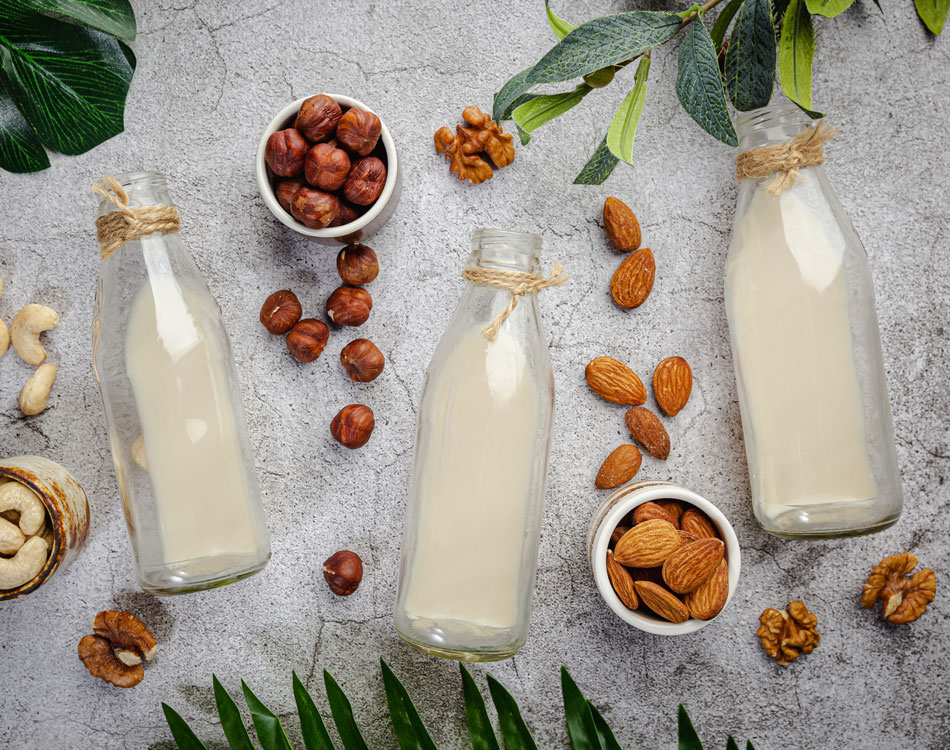
The rise of plant-based milks reflects a broader shift towards diverse, health-conscious dietary choices. Each type of milk alternative—whether it’s almond, oat, macadamia nut, coconut, or a coconut-almond blend—offers unique nutritional benefits and flavour profiles. From the creamy richness of macadamia nut milk to the balanced taste of oat milk and the tropical essence of coconut milk, there’s a plant-based option to suit almost any preference.
Experimenting with these different plant-based milks can be a fun way to discover new flavours and nutritional benefits. Whether you’re looking to reduce dairy intake, enhance your diet with different nutrients, or simply enjoy a variety of tastes, these milk alternatives provide a wide range of options to enrich your culinary experiences.


